
Understanding
Sleep Apnea

Are you tired of waking up feeling sleep-deprived despite getting enough sleep? Persistent snoring and that feeling of breathlessness might be signs of sleep apnea, a common yet serious sleep disorder. If that sounds familiar, the good news is that effective treatments are available.
At Integrity Sleep Solutions, we’re here to help you understand sleep apnea, explore your options, and find the best solution for a better night’s sleep. Let’s work together to recover those sleepless nights!
What is Sleep Apnea?
Sleep apnea is a sleep disorder that causes irregular breathing patterns during sleep. These interruptions, known as apneas, happen when the airway becomes blocked, or the brain fails to send the right signals to the muscles that control breathing. Untreated sleep apnea can lead to other long-term health complications, such as cardiovascular problems, high blood pressure, and excessive tiredness during the day.
What are the Different Kinds of Sleep Apnea?

Obstructive Sleep Apnea (OSA)
The most common form of sleep apnea, OSA, occurs when the muscles in the throat relax excessively, blocking the airway. Individuals with OSA experience repeated episodes where their breathing slows or stops for brief moments while they sleep, often accompanied by loud snoring or choking sounds.

Central Sleep Apnea (CSA)
Unlike OSA, CSA is not caused by a physical blockage but rather by the brain’s failure to send the correct signals to the muscles responsible for breathing. This results in periods where breathing temporarily stops, leading to sleep interruptions.

Complex / Mixed Sleep Apnea Syndrome
Also known as treatment-emergent central sleep apnea, this condition is a combination of both OSA and CSA. It may develop in patients who have been treated for OSA but continue to experience symptoms of central sleep apnea.
Common Signs of Sleep Apnea
Identifying the main symptoms of sleep apnea is the first step toward effective treatment. Here are some key indicators to watch for:

Physical Indicators
-
- Loud, Persistent Snoring: One of the most common signs of sleep apnea is loud snoring that often disturbs others. If your snoring is accompanied by regular stops in breathing or gasping for air, it’s crucial to seek professional evaluation.
- Gasping or Choking During Sleep: Waking up and having a sensation of choking or gasping for air is a strong indicator that your airway is blocked during sleep.
 Restless Sleep
-
- Frequent Tossing and Turning: If you find yourself constantly shifting positions during sleep, it could be a sign that your body is struggling to maintain a clear airway.
- Insomnia: Having difficulty falling or staying asleep can be linked to sleep apnea, as your body’s attempts to restart breathing may repeatedly interrupt your sleep cycle.
 Daytime Symptoms
-
- Excessive Daytime Fatigue & Sleepiness: Despite getting a full night’s sleep, individuals with sleep apnea often feel unusually tired during the day. This persistent fatigue is a result of poor sleep quality.
-
- Morning Headaches: Frequently waking up with headaches can be a sign that your brain is not receiving enough oxygen during the night due to interrupted breathing.
- Dry Mouth or Sore Throat: Constantly breathing through your mouth because of airway blockages can lead to a dry or sore throat when you wake up.
 Cognitive and Emotional Effects
-
- Memory and Concentration Issues: Regular sleep interruptions caused by the disorder can lead to difficulties with memory, focus, and concentration during the day.
- Mood Changes: Sleep apnea can cause mood swings, irritability, anxiety, and even depression, all of which can impact your overall well-being.
Who is at Risk? Understanding Physical
Traits and Risk Factors
Identifying sleep apnea risk factors is vital for early diagnosis and treatment. Several physical traits and lifestyle factors can increase the likelihood of developing this sleep disorder:
 Anatomical Features
-
- Large Tongue or Tonsils: Enlarged tonsils or a large tongue can partially or fully block the airway during sleep, causing breathing interruptions.
- Small Jaw or Narrow Airway: Individuals with a smaller jaw or naturally narrow airway are more prone to airway blockages, which can cause sleep apnea.
 Lifestyle and Health Factors
-
- Obesity: Excess tissue around the neck, particularly in those who are overweight or obese, can put pressure on the airway, increasing the risk of blockages during sleep.
-
- Age and Gender: As people age, the risk of sleep apnea increases. While men are generally more prone to sleep apnea, women’s risk increases, particularly after menopause.
-
- Family History: Genetics can play a major role in the development of sleep apnea. If your family members have sleep apnea, your risk may be higher.
- Smoking and Alcohol Use: Both smoking and consuming alcohol can cause the muscles around the throat to relax, leading to airway obstructions and, consequently, sleep apnea.
The Importance of Professional Evaluation
Recognizing the signs and risk factors of sleep apnea is just the beginning. A professional examination is essential to diagnose the sleep disorder accurately and determine the most effective treatment plan.

Comprehensive Assessment
-
- Initial Consultation: The first step in diagnosing sleep apnea is a thorough consultation. During this visit, Dr. Downing will discuss your symptoms, review your medical history, and explore any lifestyle factors that may be contributing to your sleep issues.
- Physical Examination: A detailed physical evaluation will be conducted to identify any anatomical traits, such as a large tongue, small jaw, or nasal obstruction, that could obstruct your airway during sleep.

At-Home Sleep Testing
SleepImage Ring
To provide a clear picture of your sleep patterns, we recommend an at-home sleep test using the SleepImage Ring. This non-invasive device monitors your breathing, oxygen levels, and other vital signs while you sleep in your bed. The data collected helps us accurately diagnose sleep apnea and develop a treatment plan tailored to your needs.
Effective Treatments for Sleep Apnea
We offer different treatments to meet each patient’s unique needs, helping you achieve better sleep and improved health. Here are some standard treatment options:
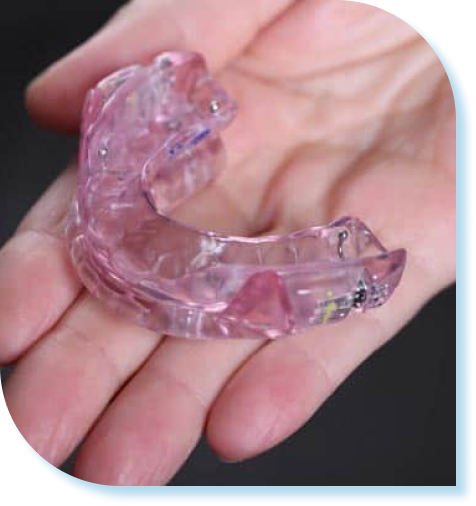 Oral Appliance Therapy
-
- Custom-Fitted Devices: Our oral appliances are designed to change the position of the jaw and tongue, keeping the airway open as you sleep. These devices are custom-fitted for comfort and effectiveness.
- Benefits: Oral appliance therapy offers a comfortable and non-invasive alternative to CPAP machines, particularly for those with mild to moderate sleep apnea. It’s easy to use, portable, and quiet, making it an ideal choice for many patients.
 Lifestyle Modifications
-
- Weight Management: Reducing excess body weight can decrease the amount of fatty tissue around the throat, reducing airway constriction and the risk of sleep apnea.
-
- Sleep Positioning: Sleeping sideways instead of lying on your back can prevent the tongue and soft tissues from obstructing the airway, improving breathing during sleep.
- Alcohol and Smoking Reduction: Limiting alcohol intake, especially before bedtime, and quitting smoking can help prevent the relaxation and irritation of throat muscles, reducing the likelihood of airway blockages.
 Advanced Treatment Options
-
- CPAP Therapy: Continuous positive airway pressure (CPAP) therapy is usually recommended for patients with moderate to severe sleep apnea. This treatment requires wearing a mask that delivers a steady airflow to keep the airways open during sleep.
- Surgery: In severe cases where other treatments aren’t effective, surgical procedures may be necessary to remove excess tissue, correct structural abnormalities, or reposition the jaw to improve airway patency.
In cases where sleep apnea is more severe and requires advanced treatment, we refer patients to trusted sleep professionals who are skilled in diagnosing and treating these complex conditions, ensuring you receive the most appropriate care.

Take the First Step Towards Restful Sleep Today!
Treating sleep apnea is crucial not only for improving sleep quality but also for safeguarding your long-term health. Take charge of your well-being and begin your journey to better sleep with Integrity Sleep Solution. We’re here to support you every step of the way.
Schedule Now
Please provide your information below, then provide us your preferred call back time to discuss your needs and next steps.